Clean tools and fresh products keep formulas behaving the way they were designed to. Here's how to read the labels and build habits that last longer than any trend.
01
Read the open-jar symbol
Turn over almost any cosmetic sold in Europe or the UK and you'll find a small icon of an open jar with a number and the letter M, such as 6M, 12M or 24M. This is the period-after-opening (PAO) symbol. Under the EU Cosmetics Regulation (EC) No 1223/2009, which the UK retained in its own law, products with a minimum durability of more than 30 months must show how long they can be used safely after opening. Products with a shorter durability carry a "best used before the end of" date instead.
The PAO period starts the day you open the product, not the day you bought it. A simple habit: write the opening month on the packaging with a fine marker. In the US, there's no equivalent legal requirement to show expiry dates on most cosmetics, although many brands include PAO symbols anyway; the FDA notes that manufacturers are responsible for product safety, and MoCRA (2022) introduced new safety-substantiation and labelling responsibilities.
02
Signs a product has changed
Smell
A sour, rancid or simply "different" smell suggests oils have oxidised or the formula has changed.
Separation
Liquids splitting into layers that won't remix, or creams weeping oil, are signs to discard.
Texture & colour
Hard, crumbly, sticky or discoloured products no longer perform as intended. When in doubt, throw it out.
03
Eye products deserve extra care
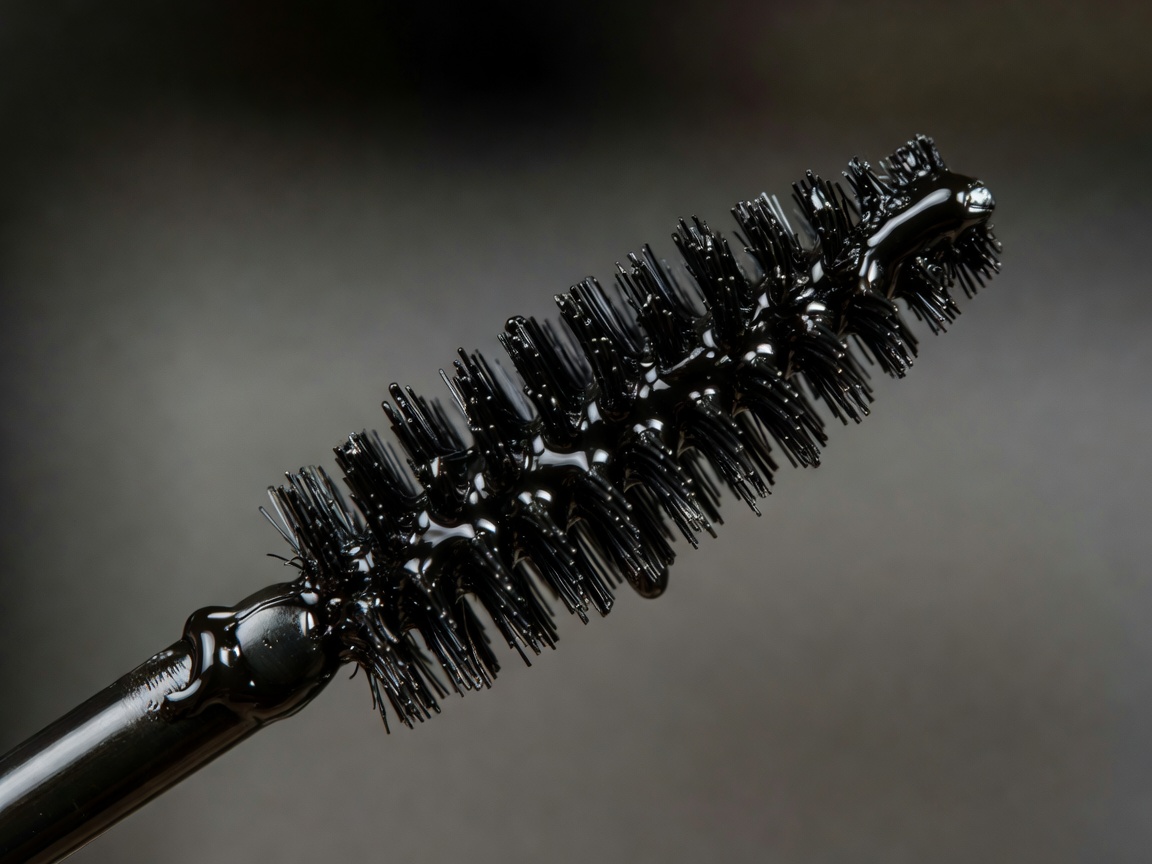
Mascara and liquid liner are applied right next to the eyes, and wands travel back into the tube each time. That's why many guidance sources, including the FDA's consumer information on eye cosmetics, suggest replacing mascara more often than other products, commonly around every three months, and never sharing eye makeup. Avoid adding water or saliva to thin a drying mascara; that introduces contamination. If you notice irritation, stop using the product and seek advice from a pharmacist or doctor; we can't offer medical guidance.
The same caution applies to testers in shops. Use disposable applicators where offered, and test on the back of your hand rather than lips or eyes.
04
Cleaning tools, step by step
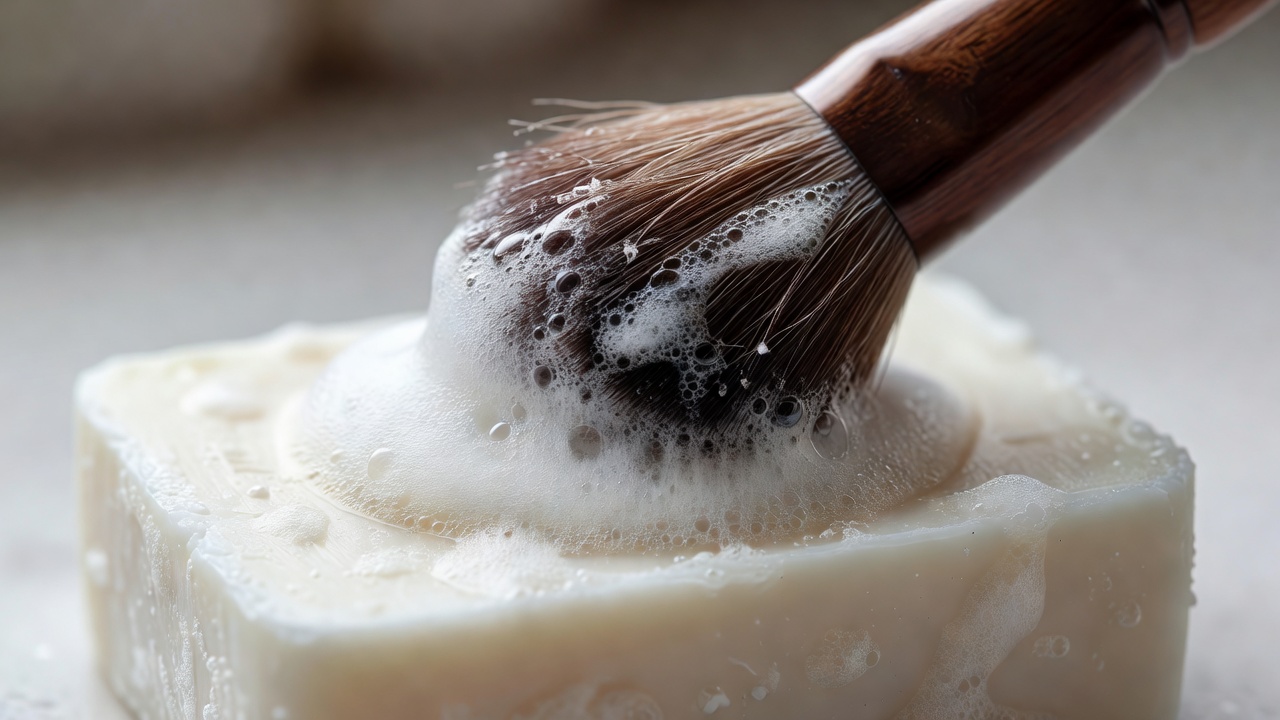
WetRun bristles under lukewarm water, pointing downward so water doesn't reach the glue in the ferrule.
CleanseSwirl on a gentle soap or brush cleanser, or into your palm.
RinseRinse until water runs clear; squeeze sponges until no colour remains.
ReshapeGently press bristles back into shape with your fingers.
DryLay flat or hang bristles down; avoid drying upright.
How often? Many makeup artists wash brushes used for liquids and creams weekly and powder brushes a little less often; sponges used damp benefit from frequent washing and regular replacement once they tear or stay stained. These are common practices, not legal standards, so adjust to how often you use each tool.
05
Storage that protects formulas
Heat, direct sunlight and humidity can change texture and colour. A steamy bathroom shelf is one of the most common storage spots and one of the least helpful. A drawer or box in a cool, dry room works better for most products.
Close lids and caps fully after each use.
Keep powders away from water splashes.
Store pencils capped; sharpen before use to expose a fresh surface.
Keep products in original packaging so you retain the ingredient list and PAO symbol.
Manufacturers producing for the EU market are expected to follow good manufacturing practice, with ISO 22716 widely used as the reference standard. Your habits at home pick up where that process ends.